Power & Blackouts
Your Power Went Out. How Long Is the Food in Your Refrigerator Actually Safe?
By Dana Whitfield · August 6, 2026 · 7 min read
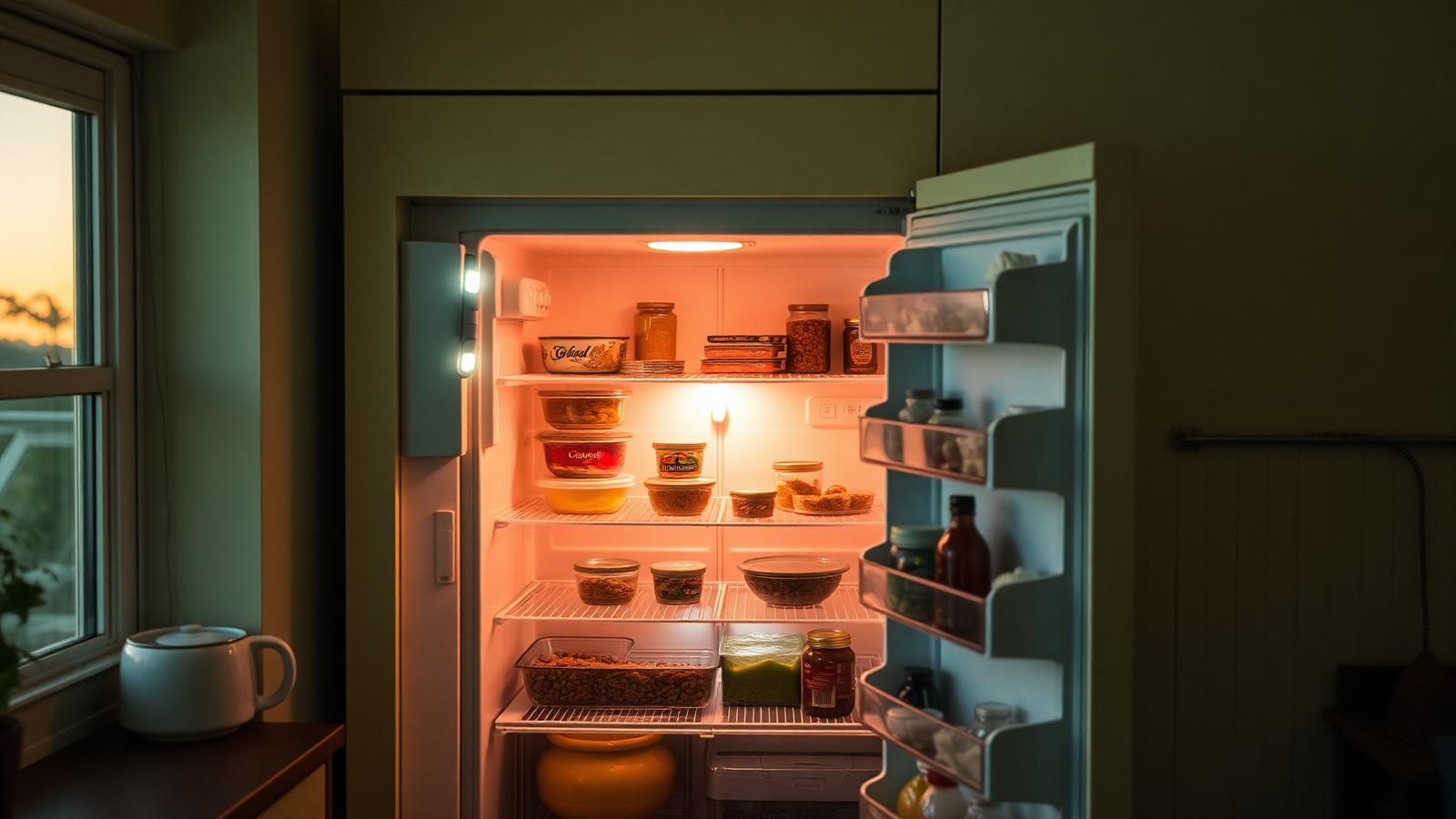
The lights flicker twice and go out. Somewhere in the next few minutes, almost everyone does the same thing: they open the refrigerator to see if the light is on. It is a small, understandable reflex, and it is also the single most expensive thing you can do in the first hour of an outage.
Here is the good news. A closed refrigerator holds a safe temperature for about four hours. A freezer that is full holds for about 48 hours, and a half-full freezer for about 24. Those numbers assume one thing: that the door stays shut.
What to do in the first ten minutes
- Decide what you need from the fridge and get it all in one trip.
- Move milk, meat and leftovers to the freezer if there is room.
- Put a thermometer in the fridge and one in the freezer, then close both doors.
- Fill a few pitchers with water while pressure is normal, and put them in the fridge to add thermal mass.
You are not trying to keep the food cold forever. You are trying to buy the eight hours it usually takes for the power to come back.
When the power comes back on
Check temperatures before you check appearance. Food can look and smell completely normal and still have spent six hours in the danger zone. If the refrigerator thermometer reads 40°F or below, the food is fine. If the freezer still has ice crystals in it, you can refreeze.
| Food | Safe after 4 hours without power? | Notes |
|---|---|---|
| Milk, cream, yogurt | No | Discard if above 40°F for 2+ hours |
| Hard cheese | Yes | Cheddar, parmesan and similar keep well |
| Raw meat and poultry | No | Do not taste to check |
| Eggs, in shell | No | Discard once warm |
| Butter and margarine | Yes | Quality suffers, safety does not |
| Condiments, jam, peanut butter | Yes | Ketchup, mustard, pickles are fine |
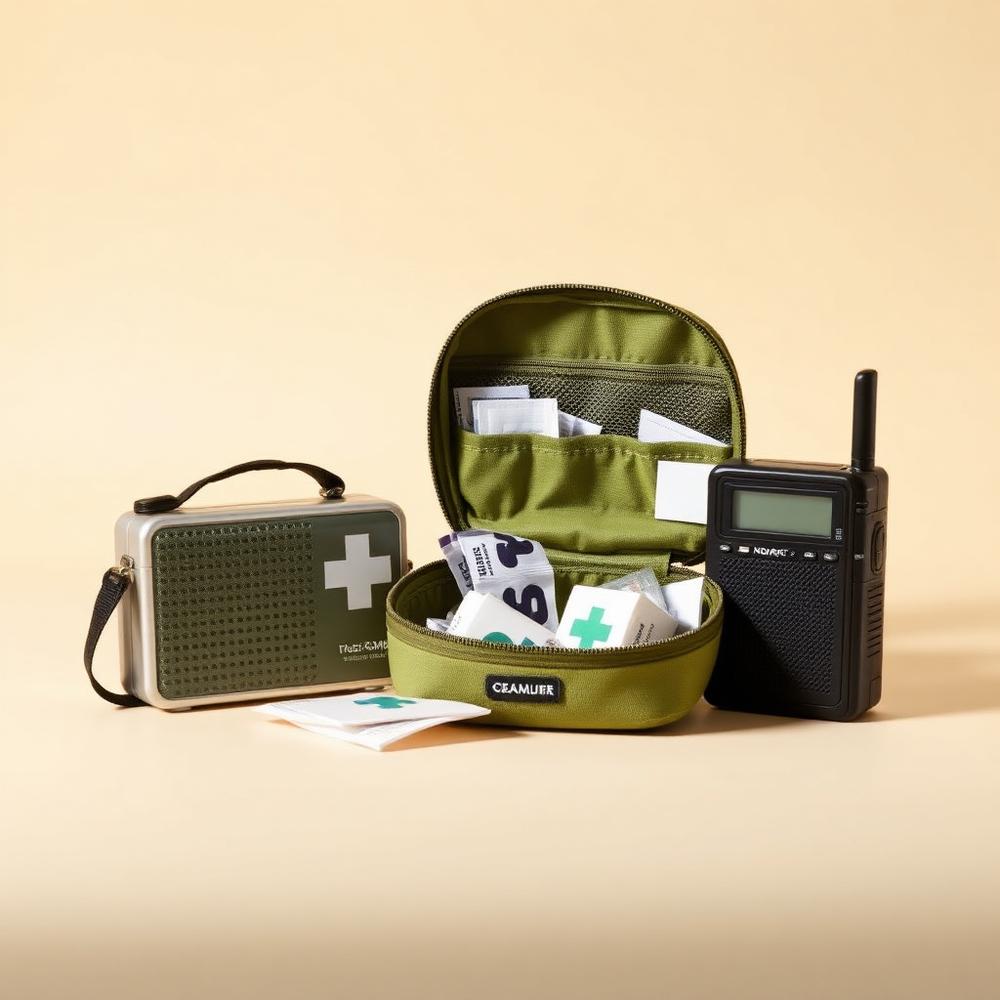
Food Storage
Refrigerator & Freezer Thermometers
Two dials that tell you whether the food is safe.
Why we recommend it
After an outage, temperature is the only reliable way to judge food safety. Smell and appearance are not. Six dollars removes the guesswork.
Best for: Anyone with a refrigerator
Pros
- + Cheap
- + No batteries
- + Answers the question in one glance
Worth knowing
- − Easy to forget you own them
$6–$15 · Target
View ProductThe cheap habit that makes all of this easy
Freeze a small container of water and set a coin on top of the ice. If you come home after an outage and the coin has sunk to the bottom, your freezer thawed and refroze while you were gone. If it is still on top, everything held.
- Keep two inexpensive appliance thermometers, one in each compartment.
- Keep the freezer reasonably full — jugs of water work fine as filler.
- Know where your nearest ice is sold, and keep a cooler somewhere you can reach it.
None of this requires a generator, a basement full of supplies, or a change in how you live. It requires a thermometer, a closed door, and about ten minutes of thinking ahead.
Ready Enough may earn a commission when you purchase through some links, at no additional cost to you.
Keep reading
Power & Blackouts
The $10 Item People Always Wish They Had After the Lights Go Out
Ask anyone who has spent a night without power what they wished they had, and a surprising number say the same small thing.
August 3, 2026 · 4 min read

Stories & Lessons
What a 2003 Blackout Can Still Teach Us About Being Prepared
The Northeast blackout of 2003 was not a disaster movie. It was a long, hot evening of people improvising — and the improvisations are the lesson.
July 27, 2026 · 8 min read
Power & Blackouts
Power Outage Guide
What to do before, during and after the lights go out.
August 8, 2026 · 9 min read